
Your balance sheet is your weapon
Win through accuonting decisions, not dice rolls.

Every financial move you make gets logged. Your competitors can see it all. Playledger cuts out the combat and the luck. What you're left with is actual business strategy. You compete on profit margins, cash flow timing, how much debt you're willing to carry, and how well you can squeeze the numbers. This is built for people who know spreadsheets aren't dull. That's where the real power is.
See what everyone's hiding
Every player's balance sheet, income statement, and cash flow are right there. You spot the weak spots immediately. Their accounts receivable jumped? They're stretched too thin. Inventory dropping? That means the market's tightening and you can raise prices.

Financial statement comparison showing two companies side by side with key ratios highlighted
Play with your numbers
When you recognize revenue matters. How you time your accruals matters. Which depreciation method you pick matters. All of it changes how your financials look and how your competitors see you. Mess up and your statements won't balance though. That kills your reputation fast.

Journal entry form showing debit and credit columns with accounting policy options visible
Debt is just another tool
Borrowing isn't losing. It's fuel. Go hard with debt while your rivals sit around being careful. Refinance before rates go up. Squeeze a competitor until their debt payments drain their cash. Debt wins games until it doesn't, then it kills you.

Debt dashboard displaying loan portfolio with interest rates maturity schedule and refinancing windows
Make deals on your terms
Prices move. You set the payment terms. You can demand cash upfront or let customers stretch payments when you've got money sitting around. Buy cheap from whoever needs to sell. Sell expensive when your margins are good. Every deal is a negotiation and every negotiation is power.

Market trading interface with bid ask prices and contracct terms customization panel
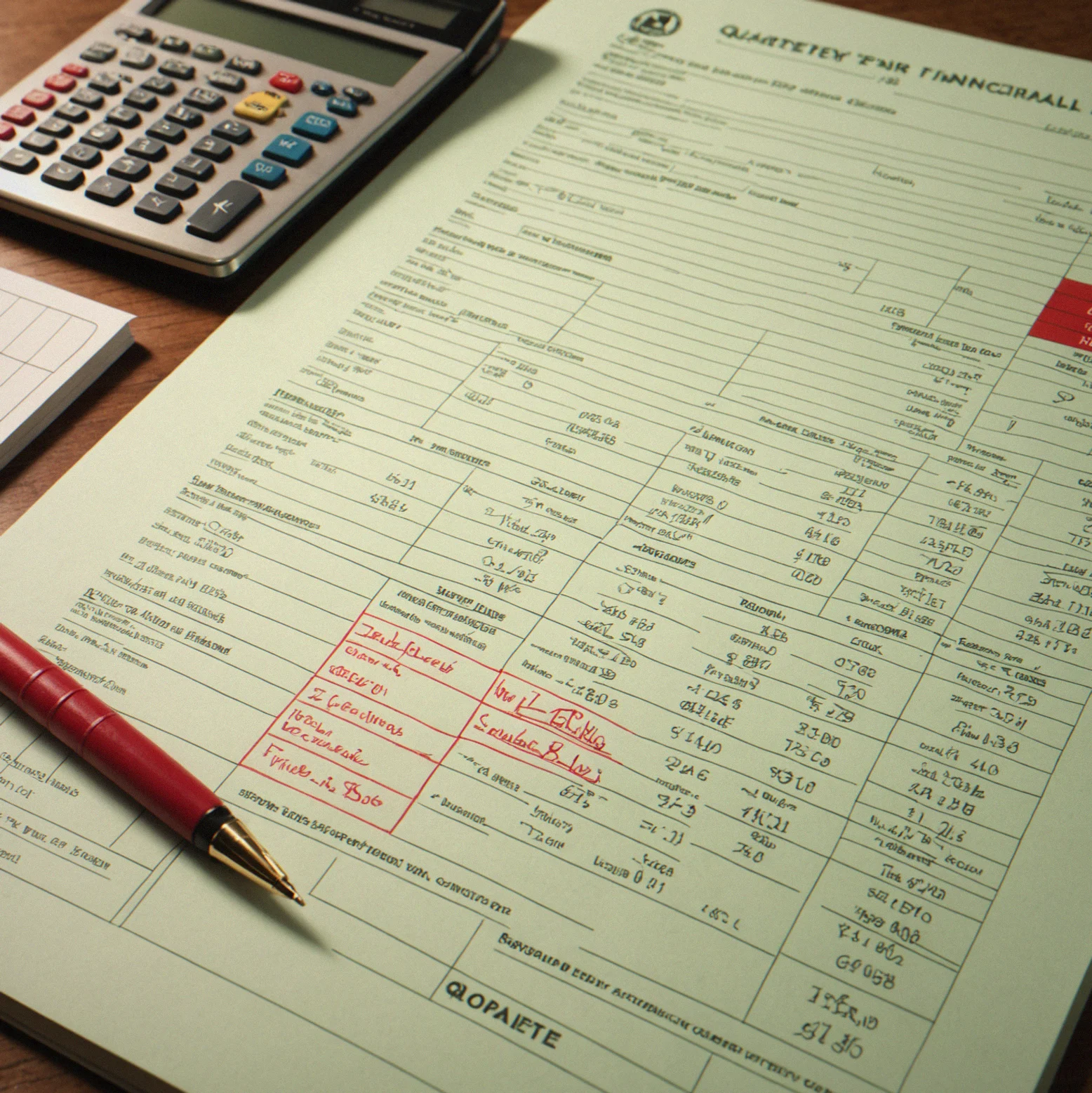






Quarterly financials laid out with revenue items in green and expenses showing in red
Questions
Stuff people usually ask about first
Playledger works differently from most strategy games out there. Here's what tends to come up before people start playing.
How It Works
Financial records are how you win
Most strategy games keep you in the dark. Playledger flips that. Every transaction, every accrual decision, every time you refinance debt—it all goes into the ledger. Your competitors can see all of it. That forces you to actually think strategically. You can't bluff past a balance sheet. They see your cash on hand, your debt, what people owe you and when they're supposed to pay. So instead of betting on what nobody knows, you're competing on who understands the numbers better and who moves faster.
The game actually cares about financial literacy. Debt service coverage ratio matters. How you time revenue recognition changes your cash flow. Spotting when a competitor stretched their payables too far matters. Honestly, it's closer to how real business works than most business sims get. You win by reading the numbers first, understanding what they're telling you, and acting on it. No random events. No dice rolls. Just ledgers and leverage.
Ledger Logic

Player looking at a competitor's published financials with key metrics marked in red
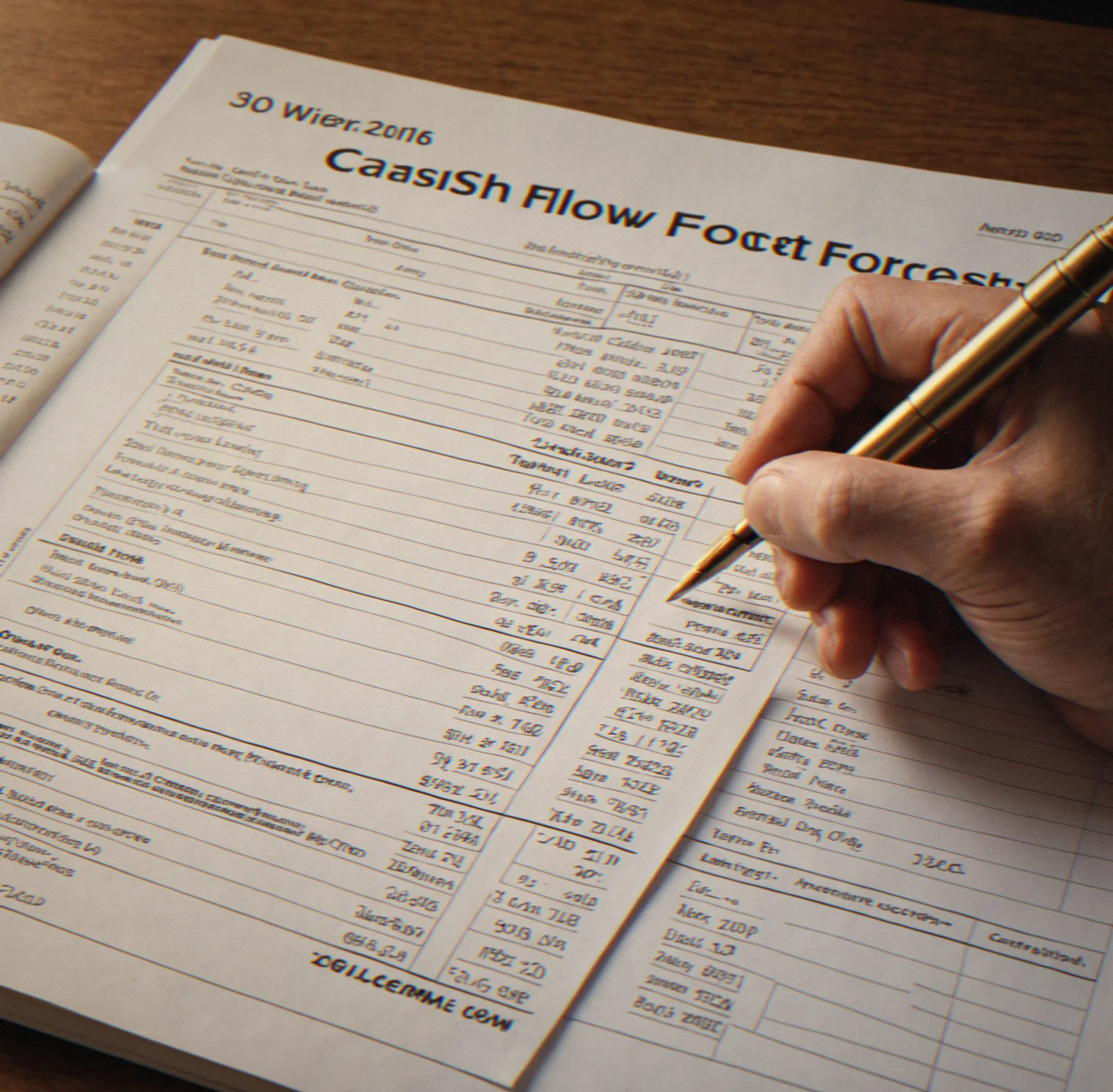
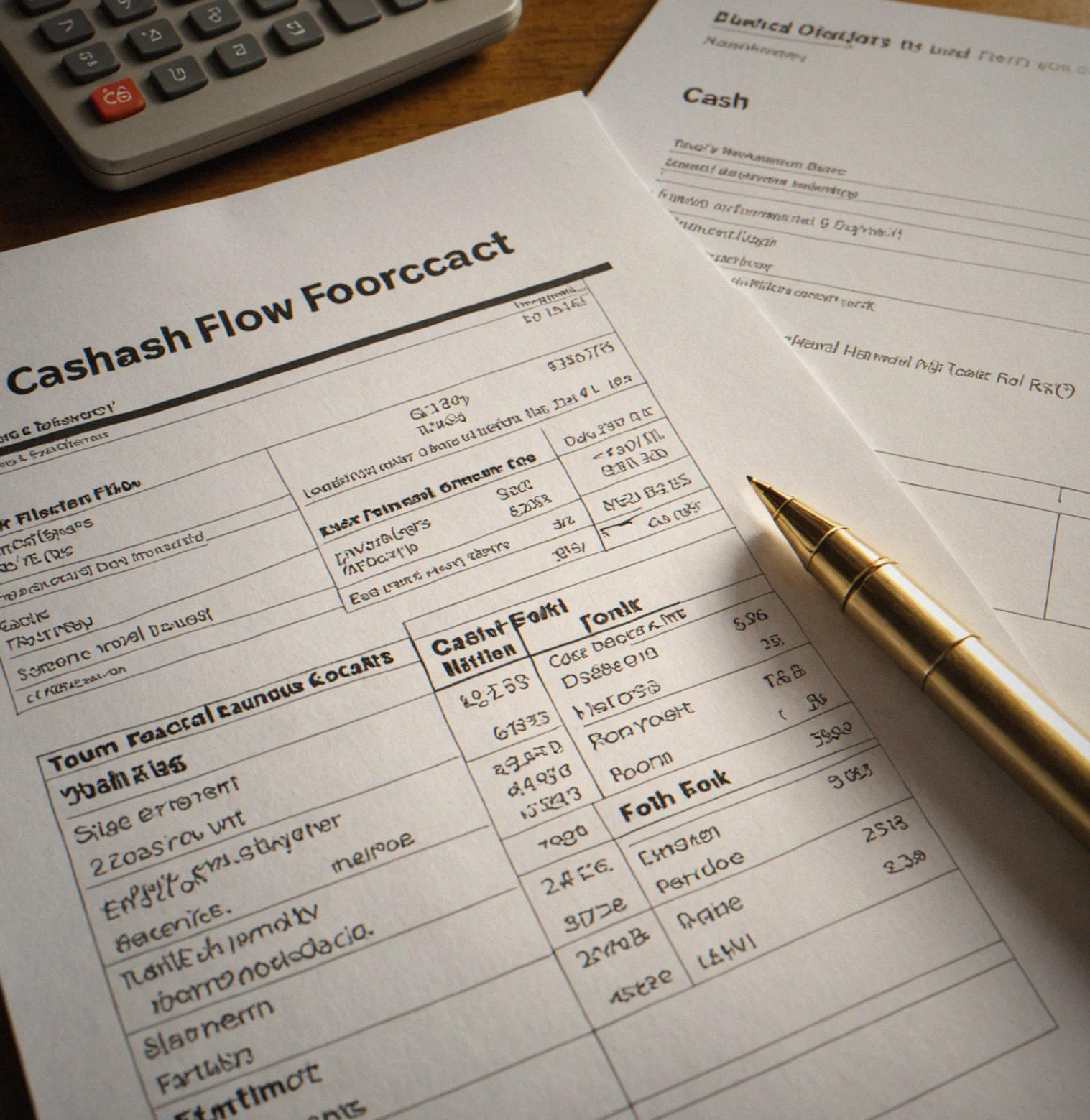
Cash flow forecast showing the next three quarters with payment dates highlighted

Trading interface showing current buy and sell prices with how much inventory everyone has
Analysis Required
Financial statements don't lie. Players do.
₿
Where you'll actually spend your time
Most of what you do happens across four screens. Your ledger, the market, what your competitors are doing, and your own financials. You'll be jumping between them constantly, hunting for the angle that gives you an edge.

Your general ledger showing the account chart with debits and Credits for Q2 2026

The market screen with current bids and asks across product categories, volume data included

Pulling up three competitors' balance sheets side by side so you can spot the debt patterns

Your balance sheet laid out with assets on one side, liabilities and equity on the other

Cash flow projection looking out three quarters, with your payment obligations shown in red

Debt management showing your loans and which ones you can refinance or lock in rates on